
Hormones in Transition: What Every Woman Deserves to Know

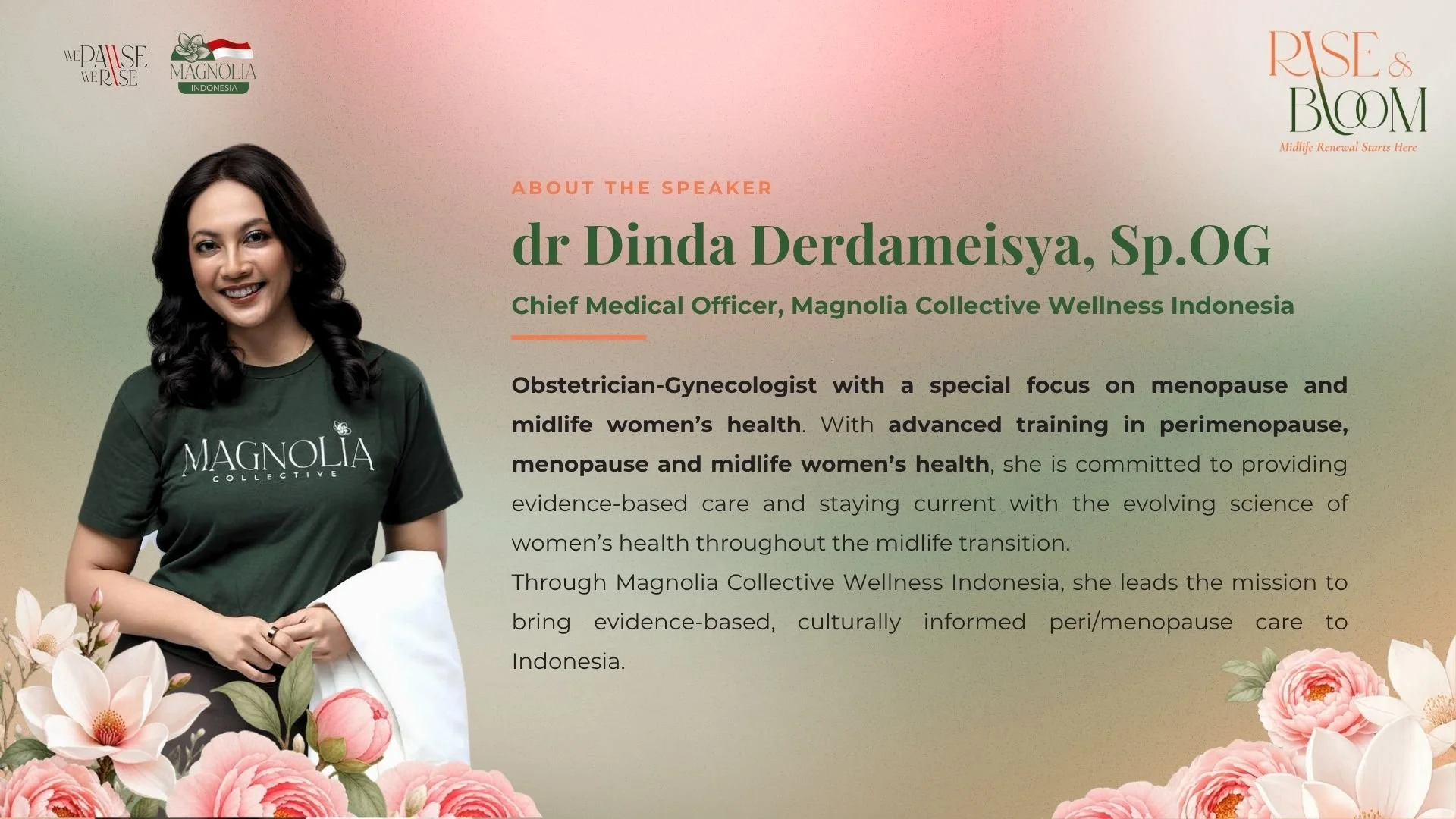
During this session, dr Dinda Derdameisya explored the hormonal changes women experience during perimenopause and menopause, including why symptoms can begin years before periods stop. The conversation also covered how these changes affect long-term health, when to seek medical advice, and the lifestyle and treatment options available to support women through this transition.
Key Takeways
01. Perimenopause Can Begin Years Before Menopause
Perimenopause can begin 7 to 10 years before menopause, sometimes as early as the mid-30s. During this stage, estrogen levels fluctuate and progesterone begins to decline. Menopause itself is confirmed after 12 consecutive months without a menstrual period.
The average age of menopause is approximately 51 for Western women and 49 for Asian women, although timing varies between individuals.
02. You Can Experience Symptoms While Still Having Periods
Hormonal fluctuations can cause symptoms long before menstruation stops. These may include disturbed sleep, mood changes, hot flushes, joint pain, muscle discomfort, and changes in menstrual patterns.
Hormones also influence several body systems, including the brain, heart, bones, and urinary system. This explains why menopause experiences can differ significantly between women.
03. Not Every Midlife Symptom Is Caused by Menopause
Some menopause-like symptoms may be associated with other conditions, such as thyroid disorders, anaemia, diabetes, anxiety, depression, or medication side effects.
A healthcare professional can help identify possible causes and determine whether further assessment is needed. Symptoms such as bleeding after menopause, unusually heavy bleeding, a new breast lump, or unexplained weight loss should always be evaluated.
04. Early Menopause Can Affect Long-Term Health
Menopause occurring between ages 40 and 45 is considered early menopause, while premature ovarian insufficiency (POI) occurs before age 40.
Earlier loss of estrogen may increase the risk of osteoporosis, fractures, and cardiovascular disease. If your periods become irregular or stop before age 45, seeking medical advice can help you understand potential risks and available care options.
05. Healthy Lifestyle Habits Are the Foundation of Menopause Care
Sleep, balanced nutrition, strength training, stress management, and reducing alcohol consumption and smoking all play important roles in supporting health during midlife.
Supplements such as vitamin D, omega-3, or magnesium may be considered when appropriate, based on individual nutritional needs and medical advice. Lifestyle changes remain important whether or not medical treatment is needed.
06. Hormone Replacement Therapy Can Help, but It Is Not for Everyone
Hormone Replacement Therapy (HRT) is an effective treatment for hot flushes and night sweats. It may also help protect bone health and relieve vaginal dryness. Low-dose vaginal estrogen can help with certain urinary symptoms.
However, HRT is not suitable for everyone and should not be prescribed solely to prevent heart disease or dementia. Its benefits and risks depend on factors such as age, medical history, treatment type, dosage, and timing.
For many healthy women experiencing symptoms who are under 60 or within 10 years of menopause, the benefits of HRT generally outweigh the risks. Individual assessment remains essential.
07. Being Prepared Helps You Make Informed Healthcare Decisions
Understanding your symptoms and health history can make medical consultations more productive.
Before your appointment, consider documenting changes in your menstrual cycle, sleep, mood, and physical health. Prepare information about your medications, supplements, family medical history, exercise routine, and recent health screenings.
Ask questions about your symptoms, bone and cardiovascular health, and whether hormone therapy or other treatments may be appropriate for you.
What You Can Do Next
Your menopause journey is personal, and understanding what is happening in your body can help you make informed decisions about your health.
Start by recognising and tracking changes in your symptoms. Focus on sustainable lifestyle habits, and seek professional guidance when symptoms begin affecting your wellbeing or daily activities.
You do not need to wait until your periods stop to ask questions or seek support.
Understand what is happening. Know your options. Make decisions that are right for you.
These takeaways are based on dr Dinda Derdameisya's presentation at Rise & Bloom 2026 and are intended for educational purposes. Personal medical decisions should be discussed with a qualified healthcare professional.
